Amateur Radio Weekly Newsletter – Week of July 31, 2021

Amateur Radio Weekly Newsletter

Ham radio news, commentary, giveaways, and more!
Celebrating 25 years of service – 1995-2021
Over 8,000 subscribers!
Unsubscribe

Saturday, July 31, 2021

  • IOTA contest partisapation
    This was the first year I took part in the IOTA (islands on the air) contest and I very much enjoyed the time I spent in the contest. It was very well attended and many Island stations were there and waiting to be contacted. I found the band conditions…
  • LHS Episode #421: YOTA Camp Deep Dive
    Hello and welcome to Episode 421 of Linux in the Ham Shack. In this episode, the hosts interview Neil Rapp, WB2VPG, coordinator of the IARU Region 2 YOTA camp and …
  • LHS Episode #422: The Weekender LXXV
    It’s time once again for The Weekender. This is our bi-weekly departure into the world of amateur radio contests, open source conventions, special events, listener challenges, hedonism and just plain …

Thank you for being an AmateurRadio.com reader and subscriber to the Amateur Radio Newsletter.

Do you like to write? Please consider submitting an article.

Matt W1MST
Managing Editor
editor

Twitter / Facebook

How to set up your own ham radio blogGet started in less than 15 minutes

AmateurRadio.com
P.O. Box 45
Hampden ME 04444
USA

Resistors: Types and Applications, Universal Oscillator Topologies, Telefunken Jubilate Restoration, Router Restarter

Newsletter #233

View in browser
Nuts & Volts - Everythinmg For Electronics
PCBFabExpress
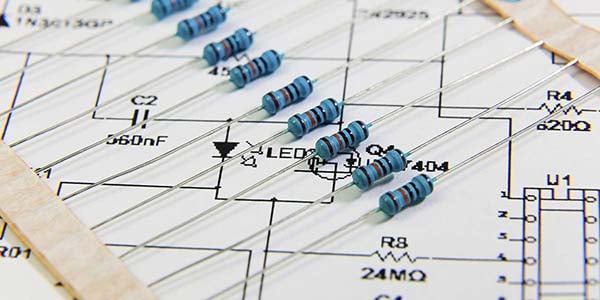
Resistors: Types And Applications

RESISTORS: TYPES AND APPLICATIONS
An ohm is an ohm, right? Not so fast — there are many different types of resistors.

To insure that your circuit works and stays working, use the right type of resistor. In this article, you’ll learn about the common types of resistors and their special characteristics.

Read It Now!
Subscribe To Nuts & Volts
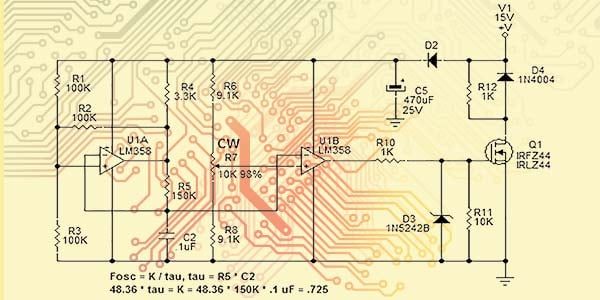
Universal Oscillator Topologies and Applications

UNIVERSAL OSCILLATOR TOPOLOGIES AND APPLICATIONS

Using the proper circuit topology for your particular application is paramount!

Explore and analyze several circuits that you can use to make light dimmers, PWM motor speed controllers, model train controllers, heater controls, and a host of other applications.

Read It Now!
Updated DIY RC Controller Kit now with Receiver Recorder
Restoration of a Vintage Telefunken Jubilate 5161W AM/SW/FM Receiver

RESTORATION OF A VINTAGE TELEFUNKEN JUBILATE 5161W AM/SW/FM RECEIVER
We continue our restoration series with a vintage Telefunken Jubilate receiver.

Every restoration — even repeat restorations of the same model — reveals something new about tubes and tube circuitry. In this restoration of the Jubilate, the focus is on reclaiming a circuit board covered with dirt, converting a selenium power supply to one based on silicon diodes, and the best ways to rejuvenate the cosmetics of your radio, including how to refinish a wooden cabinet.

Read It Now!

These new kits are great for soldering practice!

NEW! Random Number Generator Kit
NEW! Morse Code Generator Kit
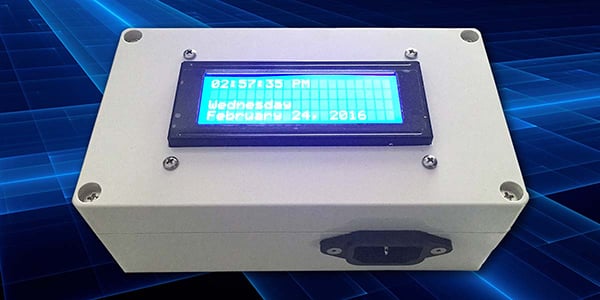
A Router Restarter

A ROUTER RESTARTER
This device is much more versatile than you might think.

Originally designed as a router restarter at a remote location, this device really is a universal on-off machine that can be used in several applications. It can be programmed to function in many ways and can be controlled via a smartphone.

Read It Now!
Nuts & Volts On CD-ROM
Altaids Computer Kit
Do You Love Robots? - Subscribe To SERVO
You are receiving this email because you have been a subscriber to Nuts & Volts Magazine, or have requested to receive our email newsletters. You may unsubscribe, change your email address or content preferences at any time through the links provided below.
Facebook
Twitter
Nuts & Volts Magazine | 2279 Eagle Glen Pkwy #112-481, Corona, CA 92883
951.371.8497 | editor | www.nutsvolts.com
T & L Publications, Inc, 2279 Eagle Glen Pkwy #112-481, Corona, CA 92883, 951 371-8497

Amateur Radio Weekly Newsletter – Week of July 24, 2021

Amateur Radio Weekly Newsletter

Ham radio news, commentary, giveaways, and more!
Celebrating 25 years of service – 1995-2021
Over 8,000 subscribers!
Unsubscribe

Saturday, July 24, 2021

  • QSO Today Virtual Ham Radio Expo August 14-15 2021.
    Well, it’s that time of year again for the running of the QSO Today Virtual Ham Radio Expo this year it’s happening on August 14-15. In the first running of the Expo, there were issues with getting the videos and Q&A sessions working smoothly…
  • ICQ Podcast Episode 355 – Portable Operations Challenge 2021
    In this episode, Martin (M1MRB) is joined by Leslie Butterfield G0CIB, Dan Romanchik KB6NU and Edmund Spicer M0MNG to discuss the latest Amateur / Ham Radio news. Colin (M6BOY) rounds up the news in brief and in the episode we feature Portable Operatio…
  • Hunting For NDBs In CLE 270
    YPO – Peawanuck, ON – 401kHz (www.ve3gop.com) It’s CLE time! ‘CLE’s are ‘Co-ordinated Listening Events, and NDB DXers around the world focus their listening time on one small slice of the NDB spectrum. It’s another …
  • 10 meters was active this afternoon.
    FT8 waterfall on 10m Around 19:30 UTC I tuned to 10m and warmed up my JTDX program and I was pleased to see a very busy waterfall. I threw my call in and was answered by some U.S. stations but also the Netherlands with a report of -13. I did…
  • regrets……………
    They say that hindsight is 20/20 and really no matter what age you are I bet you have looked back on something and would have done it differently. My mom used to tell me that if things went along perfectly you would never have a chance to g…

Thank you for being an AmateurRadio.com reader and subscriber to the Amateur Radio Newsletter.

Do you like to write? Please consider submitting an article.

Matt W1MST
Managing Editor
editor

Twitter / Facebook

How to set up your own ham radio blogGet started in less than 15 minutes

AmateurRadio.com
P.O. Box 45
Hampden ME 04444
USA

All About Ferrite, Freezer Alarm Circuit, Understanding Ohm’s Law, Pinochle Social Distance Style

Newsletter #232

View in browser
Nuts & Volts - Everythinmg For Electronics
PCBFabExpress
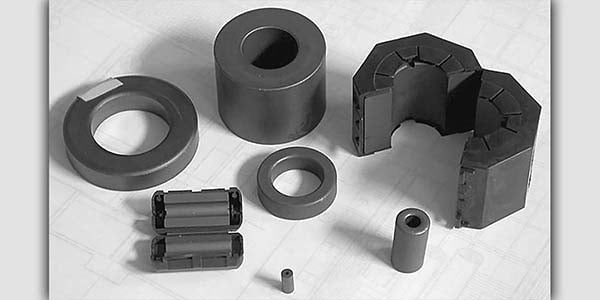
All About Ferrite

ALL ABOUT FERRITE
First created in 1930, ferrite has become an important material in the electronics and RF world.

Rings, beads, cores … find out exactly what ferrite is and what makes it ideal for a variety of uses in electronics.

Read It Now!
ExpressPCB
Build a Freezer Alarm Circuit

BUILD A FREEZER ALARM CIRCUIT

Save your food with an alarm that alerts you if the freezer’s open.

I’m not sure if it’s absent mindedness or just old age, but sometimes I’ll forget to close the food freezer lid after shopping for groceries. With food prices seemingly going up every three days, there’s really no good time to lose a pile of food because of a simple mistake. This article describes my solution to the freezer problem.

Build It Now!

NEW! In the Nuts & Volts Webstore!

RC Receiver Recorder
Understanding Ohm’s Law with a “Trick” Question

UNDERSTANDING OHM’S LAW WITH A "TRICK" QUESTION
Stimulate thinking about Ohm’s Law with these “trick” questions.

For many years, I have enjoyed learning about various aspects of our universe such as electricity, computer systems, and physics. I have met engineers who “just got it” when it came to Ohm’s Law and others who struggled due to incorrect preconceptions. Just because we can “work the math” doesn’t mean that we really understand Ohm’s Law well enough to make it work for us. This article will help you gain a real usable understanding of Ohm’s Law.

Understand It Now!
Subscribe To Nuts & Volts

These new kits are great for soldering practice!

NEW! Random Number Generator Kit
NEW! Morse Code Generator Kit
Pinochle — Social Distance Style By Chris Watson » Skip to the Extras Pinochle is an American card game typically played by three players acting alone (cutthroat) or four players in two partnerships. The game probably derives from a German variety of bezique. I belong to a group who enthusiastically plays Pinochle once a week. Unfortunately, with the present circumstance of social distancing during the COVID-19 pandemic, we have been deprived of our weekly get together. So, with today’s technology and an introduction to the virtual conferencing provided by Zoom, I decided to see if we could play Pinochle online. Here’s what I came up with. Four-handed Pinochle requires cards from four decks, using only the 10s, Jacks, Queens, Kings, and Aces. First thing therefore was to obtain 16 decks of cards and prepare four Pinochle decks — one for each of the team. The plan was to set up a meeting online using Zoom, so that we four could see and speak with each other. Next, we needed to be able to deal four hands of 20 cards each to simulate the conventional shuffle, cut, and deal process that we’re used to. Having cards in our hands, the game could proceed with the bidding, melding, scoring, and playing as per usual, relying on good faith of course, but since there was no financial aspect to our game, that wasn’t a problem. I needed a program which would deal four random hands and produce files that could be distributed to the players via email. Each player could then translate the file data into real cards from their own decks of cards. The challenge was to find or write a program to fit the bill. Program flowchart. Good old Basic from 35 years ago to the rescue! Another trip down memory lane! I found that PC-BASIC is a free online software that will run Basic programs on a Windows 10 computer since the old standby GW-Basic fell off the scene after Windows XP disappeared. I know that purists and professional programmers have long said goodbye to the Basic language, but that was all we had in the early ‘80s and it does the job. The program listed here worked very well. It was a bit slow because I was generating 1,000 random numbers each time. Experimenting with the size of the pool of random numbers it seeded, I thought I might get away with 300. But just to be safe, I left the number at 1,000. Having finished, tested, and used the program, I went on to modify it to produce the three hands needed for the cutthroat Pinochle version. It’s different because a single three card box is needed to go with the three hands, each of 15 cards only. So, all the numbers needed changing. While I was at it, I wrote a third version of the program that gives four hands of 13 cards that could be used to organize a round of Bridge, perhaps. Having run the program 10 times using different seeds to trigger the Randomize function to produce the hands for 10 games, all that remained was to collect the ASCII files that were saved as .TXT and collate the data to email to all the players. To run the Basic program, it’s necessary to run PC_BASIC first, and then run the Cards.Bas program on that platform. The two programs — CARDS and 3HAND — are included here and with the article downloads. NV 10 ‘PROGRAM IS CARDS 20 ‘P$(n) is Pinochle Deck 30 CLS : SIZ = 1000 : DIM P$(80): DIM Q(SIZ) : DIM T(100) 40 DIM NORTH$(20) : DIM SOUTH$(20) : DIM EAST$(20) : DIM WEST$(20) 50 DATA 10H,JH,QH,KH,AH,10C,JC,QC,KC,AC,10D,JD,QD,KD,AD,10S,JS,QS,KS,AS: 60 FOR N=1 TO 20 : READ P$(N) : NEXT N ‘Load 20 card deck and copy 3 times 70 FOR N=1 TO 20 : P$(N+20)=P$(N) : P$(N+40)=P$(N) : P$(N+60)=P$(N) : NEXT N 80 ‘ 90 ‘ FILL Q(n) ARRAY WITH RANDOM NUMBERS FROM 1 TO 80 100 PRINT “Enter Randomize seed “; : INPUT R$ : PRINT ,,” working” 110 R = VAL(R$) : RANDOMIZE (R) 120 FOR I=1 TO SIZ 130 X = FIX(RND*90) : IF X<1 OR X>80 THEN 130 140 Q(I)= X : NEXT I 150 ‘ 160 ‘ SELECT NUMBERS TO FILL T(n) 170 F = 1 : FOR A = 1 TO SIZ ‘Pick data 1 to 80 180 FOR B = 1 TO 80 ‘Compare with T array 190 IF Q(A) =T(B) THEN 220 200 NEXT B 210 T(F) = Q(A) : F = F+1 : IF F = 81 THEN 230 ‘go till T(n) is full 220 NEXT A 230 FOR M = 1 TO 80 : PRINT T(M); : NEXT M 240 ‘ 250 ‘ WRITE TEXT FILES & DISPLAY DATA 260 FOR N = 1 TO 20 : NORTH$(N) = P$(T(N)) : NEXT N 270 FL$=”North “+R$+”.TXT” : OPEN “O”,1,FL$ 280 PRINT#1,R$;” “; : FOR N = 1 TO 20 : PRINT#1,NORTH$(N);” “; : NEXT N 290 CLOSE #1 300 FOR N = 21 TO 40 : SOUTH$(N 20) = P$(T(N)) : NEXT N 310 FL$=”South “+R$+”.TXT” : OPEN “O”,1,FL$ 320 PRINT#1,R$;” “; : FOR N=1 TO 20 : PRINT#1,SOUTH$(N);” “; : NEXT N 330 CLOSE #1 340 FOR N = 41 TO 60 : EAST$(N 40) = P$(T(N)) : NEXT N 350 FL$=”East “+R$+”.TXT” : OPEN “O”,1,FL$ 360 PRINT#1,R$;” “; : FOR N = 1 TO 20 : PRINT#1,EAST$(N);” “; : NEXT N 370 CLOSE #1 380 FOR N = 61 TO 80 : WEST$(N 60) = P$(T(N)) : NEXT N 390 FL$=”West “+R$+”.TXT” : OPEN “O”,1,FL$ 400 PRINT#1,R$;” “; : FOR N = 1 TO 20 : PRINT#1,WEST$(N);” “; : NEXT N 410 CLOSE #1 420 ‘ 430 CLS : PRINT : PRINT : PRINT , “Hands dealt for game #”;R : PRINT 440 PRINT “North “; : FOR N=1 TO 20 : PRINT NORTH$(N);” “; : NEXT N : PRINT 450 PRINT “South “; : FOR N=1 TO 20 : PRINT SOUTH$(N);” “; : NEXT N : PRINT 460 PRINT “East “; : FOR N=1 TO 20 : PRINT EAST$(N);” “; : NEXT N : PRINT 470 PRINT “West “; : FOR N=1 TO 20 : PRINT WEST$(N);” “; : NEXT N : PRINT 480 PRINT “ “ : PRINT ,”**********************************************” 490 END CARDS program. 10 ‘PROGRAM IS 3HAND 20 CLS : SIZ=1000 ‘P$(n) is 3 hand deck 30 DIM P$(48): DIM Q(SIZ) : DIM T(100) ‘Q(n) are random numbers 40 DIM PLAY1$(20) : DIM PLAY2$(20) : DIM PLAY3$(20) 50 DATA 9H,10H,JH,QH,KH,AH,9C,10C,JC,QC,KC,AC : ‘Single deck 60 DATA 9D,10D,JD,QD,KD,AD,9S,10S,JS,QS,KS,AS 70 FOR N=1 TO 24 : READ P$(N) : NEXT N ‘Load 24 card deck 80 FOR N=1 TO 24: P$(N+24)=P$(N) : NEXT N ‘twice 90 ‘ 100 ‘ FILL Q(n) ARRAY WITH RANDOM NUMBERS FROM 1 TO 48 110 PRINT “Enter Randomize seed “; : INPUT R$ : PRINT ,,” working” 120 R = VAL(R$) : RANDOMIZE (R) 130 FOR I=1 TO SIZ 140 X = FIX(RND*50) : IF X<1 OR X>48 THEN 140 150 Q(I)= X : NEXT I 160 ‘ 170 ‘ SELECT NUMBERS TO FILL T(n) 180 F=1 : FOR A = 1 TO SIZ ‘Pick data (1 to 48) 190 FOR B = 1 TO 48 ‘Compare with T array 200 IF Q(A) = T(B) THEN 230 ‘If present try again 210 NEXT B 220 T(F) = Q(A) : F = F+1 : IF F = 49 THEN 240 ‘go till T(n) is full 230 NEXT A 240 FOR M = 1 TO 48 : PRINT T(M); : NEXT M 250 ‘ 260 ‘ WRITE (.TXT) FILES & DISPLAY DATA 270 FOR N = 1 TO 15 : PLAY1$(N) = P$(T(N)) : NEXT N 280 FL$=”Play1 “+R$+”.TXT” : OPEN “O”,1,FL$ 290 PRINT#1,R$;” “; : FOR N = 1 TO 15 : PRINT#1,PLAY1$(N);” “; : NEXT N 300 CLOSE #1 310 FOR N = 16 TO 30 : PLAY2$(N 15) = P$(T(N)) : NEXT N 320 FL$=”Play2 “+R$+”.TXT” : OPEN “O”,1,FL$ 330 PRINT#1,R$;” “; : FOR N=1 TO 15 : PRINT#1,PLAY2$(N);” “; : NEXT N 340 CLOSE #1 350 FOR N = 31 TO 45 : PLAY3$(N 30) = P$(T(N)) : NEXT N 360 FL$=”Play3 “+R$+”.TXT” : OPEN “O”,1,FL$ 370 PRINT#1,R$;” “; : FOR N = 1 TO 15 : PRINT#1,PLAY3$(N);” “; : NEXT N 380 CLOSE #1 390 FOR N = 46 TO 48 : BOX$(N 45) = P$(T(N)) : NEXT N 400 FL$=”Box “+R$+”.TXT” : OPEN “O”,1,FL$ 410 PRINT#1,R$;” “; : FOR N = 1 TO 3 : PRINT#1,BOX$(N);” “; : NEXT N 420 CLOSE #1 430 ‘ 440 CLS : PRINT : PRINT : PRINT , “Hands dealt for game #”; R : PRINT 450 PRINT “Player1 “; : FOR N=1 TO 15 😛RINT PLAY1$(N);” “; :NEXT N : PRINT,,”” 460 PRINT “Player2 “; : FOR N=1 TO 15 😛RINT PLAY2$(N);” “; :NEXT N : PRINT,,”” 470 PRINT “Player3 “; : FOR N=1 TO 15 😛RINT PLAY3$(N);” “; :NEXT N : PRINT,,”” 480 PRINT “Box”; R; : PRINT “ “;: FOR N=1 TO 3 : PRINT BOX$(N);” “; : NEXT N 490 PRINT ,,,,”” : PRINT ,”***************************************” 500 END 3HAND program. Downloads download 202004-Watson.zip What’s in the zip? CARDS Program 3HAND Program Comments

PINOCHLE — SOCIAL DISTANCE STYLE
What do you do when you can’t play cards together because of the pandemic? You figure out a way to do it electronically over Zoom!

I belong to a group who enthusiastically plays Pinochle once a week. Unfortunately, with the present circumstance of social distancing during the COVID-19 pandemic, we have been deprived of our weekly get together. So, with today’s technology and an introduction to the virtual conferencing provided by Zoom, I decided to see if we could play Pinochle online.

Read It Now!
Nuts & Volts On CD-ROM
DIY RC Controller
Do You Love Robots? - Subscribe To SERVO
You are receiving this email because you have been a subscriber to Nuts & Volts Magazine, or have requested to receive our email newsletters. You may unsubscribe, change your email address or content preferences at any time through the links provided below.
Facebook
Twitter
Nuts & Volts Magazine | 2279 Eagle Glen Pkwy #112-481, Corona, CA 92883
951.371.8497 | editor | www.nutsvolts.com
T & L Publications, Inc, 2279 Eagle Glen Pkwy #112-481, Corona, CA 92883, 951 371-8497

Amateur Radio Weekly Newsletter – Week of July 17, 2021

Amateur Radio Weekly Newsletter

Ham radio news, commentary, giveaways, and more!
Celebrating 25 years of service – 1995-2021
Over 8,000 subscribers!
Unsubscribe

Saturday, July 17, 2021

Thank you for being an AmateurRadio.com reader and subscriber to the Amateur Radio Newsletter.

Do you like to write? Please consider submitting an article.

Matt W1MST
Managing Editor
editor

Twitter / Facebook

How to set up your own ham radio blogGet started in less than 15 minutes

AmateurRadio.com
P.O. Box 45
Hampden ME 04444
USA
Choosing an O’scope, Heart Pulse Sensor, Simple Transistor and IC Circuits, Shot in the Arm for VR-AR

Newsletter #231

View in browser
Nuts & Volts - Everythinmg For Electronics
PCBFabExpress
Nuts siglent ad v1
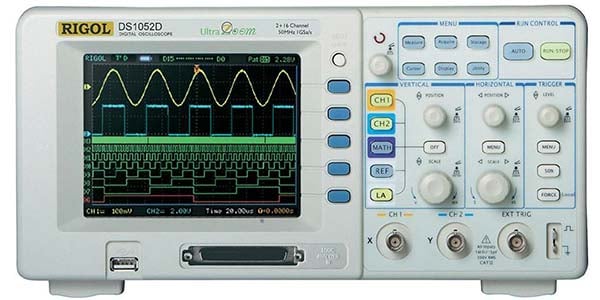
Choosing an Oscilloscope

CHOOSING AN OSCILLOSCOPE
Sixteen tips that can make selecting the appropriate oscilloscope for your task at hand a lot easier.

All sorts of questions arise when choosing a new digital oscilloscope (DSO) — it can be somewhat daunting!

Read It Now!
1 GHz PC-Based, Real-Time MSO
Pico Technology
Announcing 750 MHz and 1 GHz model PicoScope 6000E Series PC-based, real-time oscilloscopes from Pico Technology. These top end devices also offer 4 analog channels, 16 digital channels, available FlexRes capabilities, up to 4 GS of capture memory and 21 built-in serial protocol decoder/analyzers plus much more.

Get More Details Here!

Advertisement

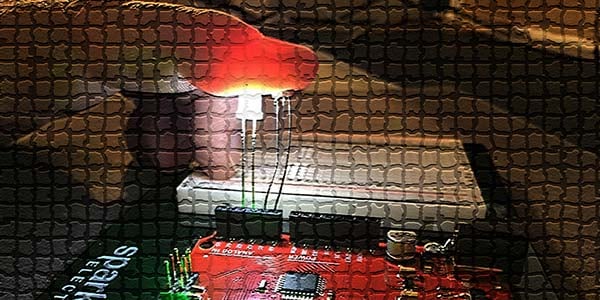
Build an Instant Heart Pulse Sensor

BUILD AN INSTANT HEART PULSE SENSOR

Make your own version of a Fitbit of sorts for monitoring blood flow.

In about 10 minutes and for about $6, you can display the blood flow through your finger. From this measurement, you can extract your heart rate, check for arrhythmia, and even modulate a red light to pulsate with your heart rate. Here’s how.

Build It Now!

These new kits are great for soldering practice!

NEW! Random Number Generator Kit
NEW! Morse Code Generator Kit
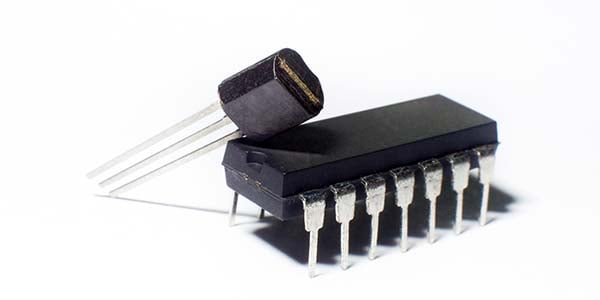
Some Simple Transistor and IC Circuits

SOME SIMPLE TRANSISTOR AND IC CIRCUITS
Two Nuts & Volts questions motivated me to relearn about bipolar transistors.

This article started as an attempt to answer two questions posed in the Tech Forum here in Nuts & Volts: one for an LED fader and a second one on how to determine which type of transistor to use in a given circuit. Turns out both questions use a transistor. Here’s what I came up with.

Read It Now!
Subscribe To Nuts & Volts
A Shot in the Arm for Online VR and AR

A SHOT IN THE ARM FOR ONLINE VR AND AR
With the current viral scare, shopping from home makes more sense.

The world’s focus on fomites — germs on surfaces — is a shot in the arm for online virtual reality and augmented reality applications ranging from online courseware, task trainers, and sales of apparel and accessories, to fresh fruit, vegetables, and meats. I’m sure that — more than ever before — I’m not alone in my willingness to try any reasonable VR or AR solution to grocery shopping.

Read It Now!
Nuts & Volts On CD-ROM
DIY RC Controller
Do You Love Robots? - Subscribe To SERVO
You are receiving this email because you have been a subscriber to Nuts & Volts Magazine, or have requested to receive our email newsletters. You may unsubscribe, change your email address or content preferences at any time through the links provided below.
Facebook
Twitter
Nuts & Volts Magazine | 2279 Eagle Glen Pkwy #112-481, Corona, CA 92883
951.371.8497 | editor | www.nutsvolts.com
T & L Publications, Inc, 2279 Eagle Glen Pkwy #112-481, Corona, CA 92883, United States, 951 371-8497

Amateur Radio Weekly Newsletter – Week of July 10, 2021

Amateur Radio Weekly Newsletter

Ham radio news, commentary, giveaways, and more!
Celebrating 25 years of service – 1995-2021
Over 8,000 subscribers!
Unsubscribe

Saturday, July 10, 2021

  • ICQ Podcast Episode 354 – 8 Watt Handie Talkie
    In this episode, Martin (M1MRB) is joined by Chris Howard (M0TCH), Ed Durrant (DD5LP) and Frank Howell (K4FMH) to discuss the latest Amateur / Ham Radio news. Colin (M6BOY) rounds up the news in brief and this episode’s feature – 8 Watt Handie Talkie. …
  • LHS Episode #420: No No Jar Jar
    Hello and welcome to the 420th installment of Linux in the Ham Shack. Smoke ’em if you got ’em! In this episode the hosts discuss Youths on the Air 2021, …
  • LHS Episode #420: No No Jar Jar
    Hello and welcome to the 420th installment of Linux in the Ham Shack. Smoke ’em if you got ’em! In this episode the hosts discuss Youths on the Air 2021, …
  • AmateurLogic Shorts 9: 18650 Battery Wraps
    Tommy follows up on a previous short and shows us why and how we should replace damaged battery wraps on reclaimed 18650 batteries.

    Please Subscribe and click the Like and Share buttons if you enjoy our content. Note AmateurLogic Shorts are only avail…

Thank you for being an AmateurRadio.com reader and subscriber to the Amateur Radio Newsletter.

Do you like to write? Please consider submitting an article.

Matt W1MST
Managing Editor
editor

Twitter / Facebook

How to set up your own ham radio blogGet started in less than 15 minutes

AmateurRadio.com
P.O. Box 45
Hampden ME 04444
USA

Learn from Mistakes, Breaking the Arduino Speed Limit, Home Simulator, The Remarkable CSS555

Newsletter #230

View in browser
Nuts & Volts - Everythinmg For Electronics
PCBFabExpress
How To Succeed At Circuit Design By Learning From These Mistakes

HOW TO SUCCEED AT CIRCUIT DESIGN BY LEARNING FROM THESE MISTAKES
Getting better at a craft often requires you to learn from your mistakes.

Follow along with this circuit design to see where the problems and pitfalls occurred, so that you can accelerate your learning from someone else’s errors.

Read It Now!
Unleash your inner maker with this fun Arduino Based Boot Camp!
DrDuino Electronics Boot Camp
Beginning with what is an Arduino & how it works and finishing off with making your own MORSE CODE MACHINE! If you have always wanted to get into Arduino, this is for you!

Click Here To Learn More!

Advertisement

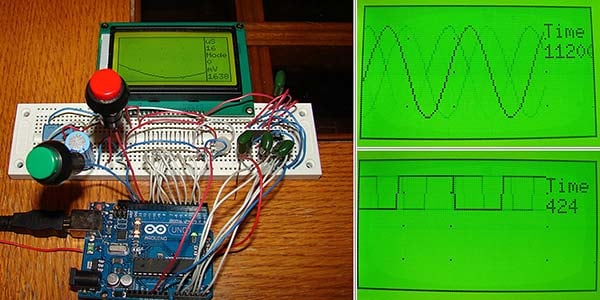
Breaking the Arduino Speed Limit

BREAKING THE ARDUINO SPEED LIMIT

Admit it, we all like to do it — break the speed limit. Usually, it’s just a little bit.

Just how fast can you push the Arduino platform before it releases that magic smoke? Very fast, actually.

Read It Now!

These new kits are great for soldering practice!

NEW! Random Number Generator Kit
NEW! Morse Code Generator Kit
A Full Motion Home Simulator

A FULL MOTION HOME SIMULATOR
Go “virtually” anywhere with your own homebrew flight simulator.

Building a full motion simulator will require some mechanical work, electronic work, and even a little programming, but surprisingly, it’s not a great deal more difficult than many other Nut & Volts projects. I’m confident that the first time you step into your flying machine and leave reality for cyberspace, you’ll agree it is worth the effort!

Build It Now!
Subscribe To Nuts & Volts
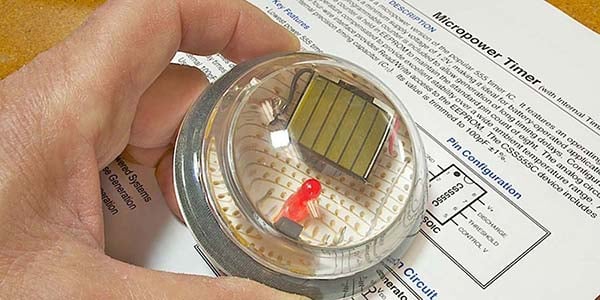
The Remarkable CSS555

THE REMARKABLE CSS555
The CSS555 is a micropower programmable version of the 555 family of timer ICs.

It operates at a current under 5 µA and a supply voltage from 5.5V down to 1.2V. These qualities make it particularly well-suited for long lasting battery and small solar powered projects.

Read It Now!
Nuts & Volts On CD-ROM
DIY RC Controller
Do You Love Robots? - Subscribe To SERVO
You are receiving this email because you have been a subscriber to Nuts & Volts Magazine, or have requested to receive our email newsletters. You may unsubscribe, change your email address or content preferences at any time through the links provided below.
Facebook
Twitter
Nuts & Volts Magazine | 2279 Eagle Glen Pkwy #112-481, Corona, CA 92883
951.371.8497 | editor | www.nutsvolts.com
T & L Publications, Inc, 2279 Eagle Glen Pkwy #112-481, Corona, CA 92883, United States, 951 371-8497

Amateur Radio Weekly Newsletter – Week of July 3, 2021

Amateur Radio Weekly Newsletter

Ham radio news, commentary, giveaways, and more!
Celebrating 25 years of service – 1995-2021
Over 8,000 subscribers!
Unsubscribe

Saturday, July 3, 2021

  • Ham College 78
    Ham College episode 78 is now available for download. Extra Class Exam Questions – Part 16. E4B Measurement technique and limitations: instrument accuracy and performance limitations, probes, techniques to minimize errors, measurement of Q, inst…
  • Field Day – 200 QSOs with a Flashlight Battery
    Field Day was an experiment this year. I ran my operation for nine hours using a 5V 18650 battery. I made 200 QSOs before calling it quits. I operated on the deck with an MTR 4-B designed by KD1JV. The antenna was an 88 foot doublet up about 45 feet. I used the ZM-2 tuner. […]
  • LHS Episode #418: ARDC Deep Dive
    Hello and welcome to the 418th installment of Linux in the Ham Shack. In this episode, we talk to part of the team from Amateur Radio Digital Communications, a group …
  • LHS Episode #419: The Weekender LXXIV
    It’s time once again for The Weekender. This is our bi-weekly departure into the world of amateur radio contests, open source conventions, special events, listener challenges, hedonism and just plain …

Thank you for being an AmateurRadio.com reader and subscriber to the Amateur Radio Newsletter.

Do you like to write? Please consider submitting an article.

Matt W1MST
Managing Editor
editor

Twitter / Facebook

How to set up your own ham radio blogGet started in less than 15 minutes

AmateurRadio.com
P.O. Box 45
Hampden ME 04444
USA
Build a Laser Theremin, PCB Assembly Jig, Keep Components Cool, The Capacitance Connection

Newsletter #229

View in browser
Nuts & Volts - Everythinmg For Electronics
PCBFabExpress
Build the FLiPVox Laser Theremin

BUILD THE FLIPVOX LASER THEREMIN
Here’s an analog style laser Theremin with its own built-in synthesizer.

In my previous Theremin article, I described the first of my laser Theremin projects: the LASERVox. This is a simple-to-construct Theremin-like device that acts as a MIDI controller for a synthesizer. In that article, I discussed the possibility of a more analog style laser Theremin that has its own built-in synthesizer or pitch generator. That’s the topic of this article! We’ll build the FLiPVox: a continuous pitch laser Theremin with its own mini synthesizer.

Build It Now!
Unleash your inner maker with this fun Arduino Based Boot Camp!
DrDuino Electronics Boot Camp
Beginning with what is an Arduino & how it works and finishing off with making your own MORSE CODE MACHINE! If you have always wanted to get into Arduino, this is for you!

Click Here To Learn More!

Advertisement

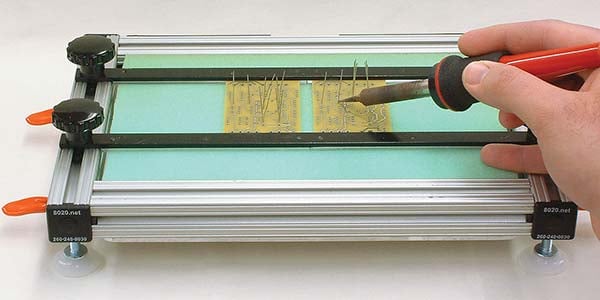
Build A Circuit Board Assembly Jig

BUILD A CIRCUIT BOARD ASSEMBLY JIG

Gain a third hand when assembling PCBs.

If you spend a considerable amount of time assembling and soldering PCBs, then you’re gonna love this "third hand." Even without all the bells and whistles, having a proper PCB assembly jig goes a long way toward making electronics a more enjoyable hobby.

Build It Now!
Pololu Independence Day Sale
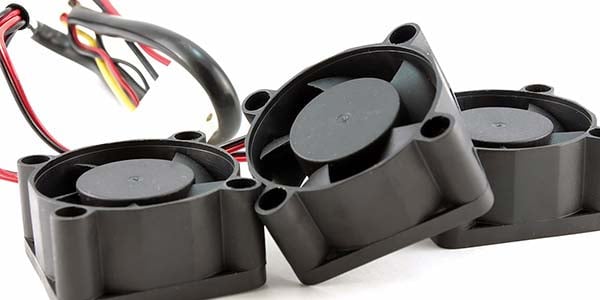
Keeping Those Components Cool

KEEPING THOSE COMPONENTS COOL
This basic circuit allows you to control the speed of a fan to suit your noise tolerance.

Not long ago, I put together a project, housed in a plastic box, which contained a component that could get hot enough to self-destruct in a closed box. I added a small cooling fan to the box, but the noise was excessive …

Read It Now!
PCBWay
The Capacitance Connection

THE CAPACITANCE CONNECTION
Use a multimeter to insure you have enough wire before an installation.

After installing some low voltage yard lights, I applied power and one of the strings did not work. I went through the normal troubleshooting of measuring the voltages and resistance. It became quite easy to tell that I had an open somewhere between the transformer and the first light in the string, but where?

Read It Now!
Nuts & Volts On CD-ROM
NEW! Random Number Generator Kit
DIY RC Controller
NEW! Morse Code Generator Kit
Subscribe To Nuts & Volts
Do You Love Robots? - Subscribe To SERVO
You are receiving this email because you have been a subscriber to Nuts & Volts Magazine, or have requested to receive our email newsletters. You may unsubscribe, change your email address or content preferences at any time through the links provided below.
Facebook
Twitter
Nuts & Volts Magazine | 2279 Eagle Glen Pkwy #112-481, Corona, CA 92883
951.371.8497 | editor | www.nutsvolts.com
T & L Publications, Inc, 2279 Eagle Glen Pkwy #112-481, Corona, CA 92883, United States, 951 371-8497